Growing Healthy Kids on a Plant Based Diet
Plant-based requests are popping up more and more in childcare centres. Some families choose vegetarian diets, some vegan, and others are simply reducing animal products. Whatever the reason, plant-based meals are no longer a rare request. It’s becoming part of everyday menu planning.
So, what does this mean for your centre?
Do children get enough nutrients on plant-based diets?
And how do you keep meals balanced and practical?
Let’s dig into it.
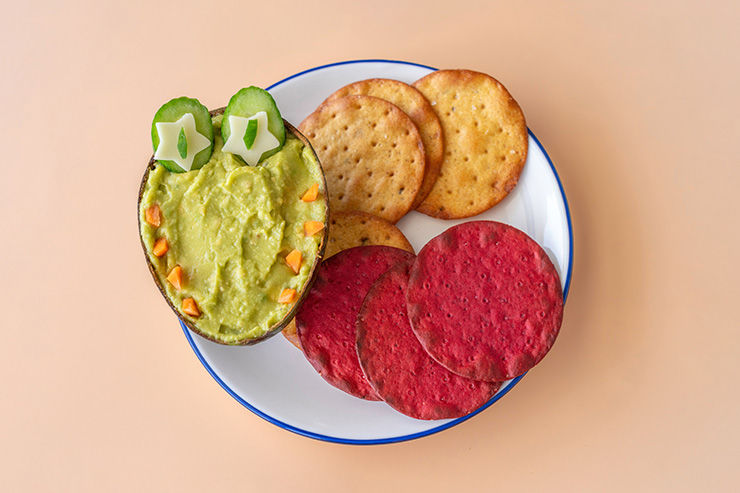
What Is a Plant-Based Diet?
A plant-based diet focuses mostly, or entirely, on foods that come from plants. This includes Vegetables, Fruits, Wholegrains, Legumes (beans, lentils, chickpeas), Nuts and seeds. Some plant-based diets include small amounts of animal products. Others exclude them completely.
You may hear terms like:
Vegetarian – No meat or seafood. May include dairy and eggs
Vegan – No animal products at all. No meat, dairy, eggs or honey
Flexitarian – Mostly plant-based, but occasionally includes meat or other animal products
In childcare, it’s important to clarify what each family means. Plant-based can look different from one family to the next.
The Advantages of Plant-Based Eating
When well planned, plant-based diets can offer many benefits.
They are often:
High in fibre
Rich in vitamins and minerals
Full of antioxidants
Lower in saturated fat
Children who eat a variety of plant foods are exposed to different textures and flavours. This can help develop adventurous eaters. Plant-based meals can also support environmental sustainability. Many families choose this approach for ethical or environmental reasons. And with the rising cost of groceries, many plant based options such as tinned beans, can be cost effective.
The Disadvantages
Plant-based diets aren’t automatically healthy. Hot chips are technically plant-based. So are some highly processed snack foods. Without careful planning, children may miss out on key nutrients needed for growth and development.
Young children have small stomachs and high nutrient needs. They can’t afford to fill up on low-energy foods. That’s where thoughtful menu planning comes in.
Nutritional Concerns for Children
There are a few nutrients that need special attention in plant-based diets:
Protein Children need protein for growth and muscle development, strong immune systems, and cognitive function. Plant sources include tofu, lentils, beans, chickpeas, nut pastes, and soy products. Variety is key.
Iron
Iron can be found in plant-based sources such as legumes, fortified breads and cereals, nuts, seeds and green leafy vegetables. Plant-based iron (non-haem iron) is not absorbed as easily as iron from meat. To support absorption pair iron-rich foods with vitamin C, such as capsicum, citrus fruits, kiwi fruit, or strawberries.
Vitamin B12
This vitamin is found naturally only in animal products and is crucial for forming healthy red blood cells, synthesizing DNA, and maintaining a properly functioning nervous system. Vegan children will need fortified foods or supplements.
Calcium
If dairy is excluded, include calcium fortified plant milks, calcium-set tofu and leafy greens. Calcium helps children build strong bones and teeth.
Omega-3 fats
Often found in foods such as oily fish but for a plant-based diet, can be found in chia seeds, flaxseeds and walnuts. Important for brain development.
It can sound like a lot of considerations, but with the right support and planning, it is very manageable.

Managing Children on Plant-Based Diets
Communication is your best friend.
Start by:
Talking with families about exactly what their child eats.
Requesting written guidance if needed.
Ensure meals are:
Balanced (contain fruit/vegetables, wholegrains, and protein)
Energy-dense enough for growing bodies
Varied across the week
Avoid simply removing meat from a meal and leaving it at that. A plate of pasta with tomato sauce alone won’t meet protein needs. Swap thoughtfully instead. For example:
Replace mince with lentils in spaghetti.
Use tofu in stir-fries.
Add beans to tacos.
It’s about substitution, not subtraction.
Managing Plant-Based Menus in Your Centre
This is where support makes life easier. At OSCAR Care Group, we regularly create plant-based menus for childcare centres. We can also review your current menu to ensure it meets requirements while keeping children well nourished. We have plant-based recipes designed specifically for early childhood settings. Menu planning doesn’t have to feel like you’re stuck between a rock and a hard tofu. With the right structure, plant-based menus can meet guidelines and keep everyone happy.
Practical Ideas for Centres
Looking for simple ways to add more plant power?
Lentil bolognese
Chickpea and vegetable curry
Tofu and veggie stir-fry
Bean-loaded quesadillas
Hummus and grated veggie wraps
Oat-based porridge made with fortified soy milk
Chia pudding with fruit
You can also try:
“Meat-free Mondays”
Cooking activities using legumes
Taste-testing different plant proteins
Gardening herbs or vegetables on site
Food is a wonderful way to explore culture too. Many cuisines naturally include plant-based meals. Think curries, falafel, vegetable sushi, or bean stews. It’s a chance to celebrate diversity while nourishing little bodies.
Remember
Always include a reliable protein source at main meals
Pair plant-based iron with vitamin C-rich foods to boost absorption
Check that vegan children have a confirmed source of vitamin B12
Small tweaks make a big nutritional difference.
The Bottom Line: Plant the Seed Early
Plant-based diets are becoming more common in childcare. With proper planning, they can absolutely support healthy growth and development. The key is balance and variety. When done well, plant-based menus can help children grow strong, explore new flavours, and develop respect for different food choices.
If your centre is navigating plant-based requests, unsure about nutrients, or wanting a menu review, reach out to one of the friendly Accredited Practising Dietitians at OSCAR Care Group.
We’re here to help you keep little bodies growing and your menus blooming.

![Balanced Bites for Little Kids [Video]](https://static.wixstatic.com/media/9a043e_289c462f88884ffcbbf03f799daa85de~mv2.jpg/v1/fill/w_740,h_493,al_c,q_85,enc_avif,quality_auto/9a043e_289c462f88884ffcbbf03f799daa85de~mv2.jpg)
