Freezer Temperature of -15°C or -18°C, Who's Right?
If you've ever found yourself wondering whether your freezer should be running at -15°C or -18°C, you're not alone.
In fact, this question comes up regularly in our food safety training sessions for staff in childcare centres, aged care homes, and other food service operations. It even sparked discussion during one of our recent workshops, with one attendee convinced we had the wrong temperature! So, who's right?
The short answer is, both temperatures have a place, which is why the confusion exists. Let our team explain further.
Why Do People Say -15°C?
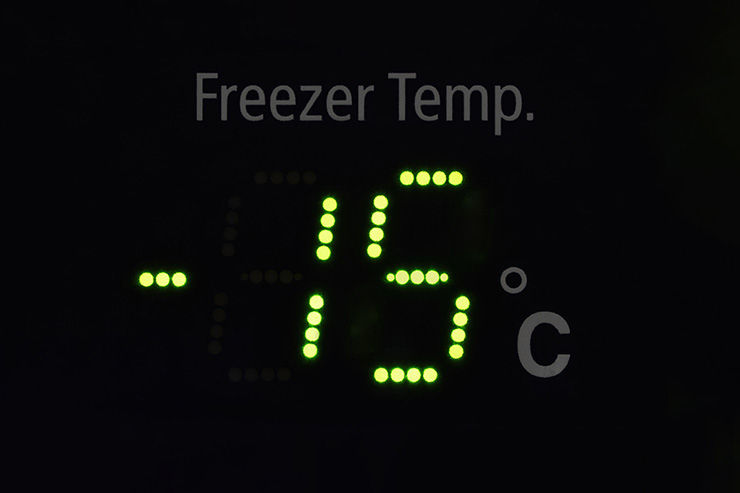
Many food safety programs and food premises have historically used -15°C as a minimum freezer temperature. At this temperature, food remains frozen and bacterial growth is effectively paused.
This is why you'll often see -15°C referenced in food safety documentation, monitoring forms and older procedures. For many years, businesses successfully stored frozen food at or below this temperature without issue.
Why Do People Say -18°C?

On the other hand, -18°C has become the widely accepted industry benchmark for frozen food storage.
Food manufacturers, distributors, supermarkets and transport companies commonly use -18°C because it provides an additional safety margin and helps maintain food quality for longer periods.
At -18°C, foods are less likely to experience partial thawing during door openings, loading activities or minor temperature fluctuations.
What Do the Food Standards Say?
This is where things get interesting. Many people assume the Australia New Zealand Food Standards Code specifies that freezers must operate at either -15°C or -18°C. The Food Standards Code focuses on food safety outcomes rather than prescribing a specific freezer temperature.
The Code requires food businesses to store food in a way that keeps it safe and suitable for consumption. For frozen foods, the expectation is that food remains frozen and protected from contamination.
This is one reason why the debate around -15°C and -18°C continues. The Food Standards Code does not specifically state that all freezers must be set to -18°C.
However, food safety organisations, cold-chain operators, food manufacturers and freezer manufacturers commonly recommend -18°C or below as the preferred operating temperature for frozen food storage. At this temperature, food remains frozen hard, quality is maintained for longer, and there is a greater safety margin if temperatures fluctuate due to door openings, loading activities or equipment performance.
So, while you may encounter references to both temperatures, the modern industry benchmark is generally accepted as -18°C or colder.
Which Temperature Should We Use?
For childcare centres and aged care homes, the preferred approach is simple: Aim for -18°C whenever possible.
While food may remain safely frozen at -15°C, operating at -18°C provides a greater buffer against temperature variations and helps maintain the quality of frozen foods.
Think of it like driving slightly below the speed limit rather than right on it—you have a little extra room if conditions change unexpectedly. If your freezer occasionally rises above -18°C but remains below -15°C, there may not be an immediate food safety issue, but it should be investigated and monitored.

The Importance of Monitoring
Regardless of whether your target is -15°C or -18°C, the most important thing is knowing what your freezer is actually doing. A freezer temperature isn't something to set and forget.
Freezer temperatures should be checked regularly to ensure food remains properly frozen and equipment is operating correctly. For most childcare centres and aged care homes, a daily temperature check is considered good practice. Regular monitoring allows staff to identify problems early, before food safety or food quality is affected.
Making Temperature Monitoring Easier
Let's be honest, paperwork isn't usually anyone's favourite part of food safety. That's why having a simple and consistent system for recording temperatures is important. Accurate records help demonstrate that monitoring is being completed and provide valuable information if a temperature issue ever occurs. Good records can also be extremely useful during audits, inspections or when investigating equipment issues.
Our Workbooks has been designed to make this process easier. The workbook provides a straightforward way for staff to record daily temperature checks, maintain organised records, and support food safety compliance without creating unnecessary administrative burden.
Or for those prefer online records, our Temperature Monitoring System is ideal. Sensors located within your fridges and freezers automatically record the temperature and alert you when they are too warm. Our systems removes the manual handling completely.
Find out more about our Temperature Monitoring Options
Looking Ahead
While manual monitoring remains an important part of food safety management, technology is continuing to make temperature monitoring easier.
We are currently developing OSCAR Plus, which will include automated temperature monitoring capabilities designed to simplify temperature management and record keeping even further. While this system is still under development, it reflects the industry's growing move toward digital monitoring solutions.
Until then, regular temperature checks and accurate record keeping remain the best way to ensure your freezer is operating as intended.
Submit your interested in OSCAR Plus.
So, What's the Final Answer?
If someone asks whether a freezer should be set to -15°C or -18°C, it's easy to understand why there is confusion. Both temperatures are referenced within the food industry, and both have been used for frozen food storage.
However, for childcare centres and aged care homes, the preferred approach is to maintain freezers at -18°C or below wherever possible. While the Food Standards Code does not prescribe a specific freezer temperature, -18°C is widely recognised as industry best practice for maintaining frozen food quality and providing an additional safety buffer against temperature fluctuations.
Just as important as the temperature itself is the way it is monitored. Regular temperature checks, prompt action when issues arise, and accurate record keeping are all essential parts of an effective food safety system. After all, a freezer can only protect food if it is consistently operating at the required temperature.
Using a simple record-keeping tool, such as the Temperature Monitoring Workbook, can help staff maintain clear and accurate temperature records, identify trends, and demonstrate that monitoring is being completed as required.
The debate over -15°C and -18°C may continue, but the key message is simple: keep food frozen, monitor temperatures regularly, maintain accurate records, and act quickly if problems are identified
Quick Tip
For childcare centres and aged care homes:
Aim to keep freezers at -18°C or below
Check and record freezer temperatures daily
Investigate any unexpected temperature increases promptly
Keep accurate temperature records to support food safety compliance
If food begins to thaw or temperatures cannot be maintained, take corrective action immediately
Remember: A freezer doesn't just need to be cold, it needs to be consistently cold, and you need records to prove it.
And if you're ever unsure about freezer temperatures, monitoring requirements or food safety responsibilities, seeking additional food safety training can help build confidence and ensure the people in your care remain safe.
Need help with food safety monitoring?
Contact the OSCAR Care Group team to learn more about our Food Safety Refresher Training, Temperature Monitoring and upcoming OSCAR Plus solutions.


